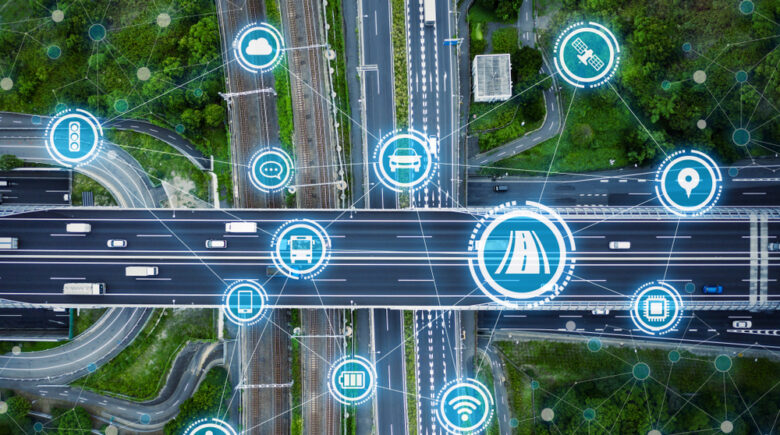
Infrastructure is the foundation and frame upon which society is built. It makes up the physical elements that make our world tick, including buildings, roads, bridges, dams, power plants, and more. Infrastructure can be both static and moving. It can be natural or artificial.
While it might not seem like we think about infrastructure much daily unless there’s a problem like an earthquake, it is crucial to our day-to-day functioning and future progress. Infrastructure is at the forefront of public policy for a good reason. It is often expensive to build and maintain, and because of its importance to society, state governments have a vested interest in ensuring it is done correctly.
Here is a brief overview of some of the most important types of infrastructure, what they do, who regulates them, and where they stand environmentally.
1. Aviation
Aviation infrastructure is the most apparent type of infrastructure on a day-to-day basis. Cars, trains, and planes are all forms of transportation that require maintenance, repair, and construction. Airports need a lot of policing to ensure safety for transport and aircraft alike and security to protect people who come in and out of airports. Airports are overseen by the Federal Aviation Administration or FAA, which leads roads within airports. The FAA is under the Department of Transportation or DOT.
2. Telecommunications
Telecommunication infrastructure includes cell phone towers, telephone poles, and submarine cables to name a few. Telecommunications tend to have a high rate of regulation and oversight due to the importance of these infrastructures’ services. The Federal Communications Commission ensures that the right kind of technology is used, special allowances are made if technologies are not able or should not be used under certain conditions, and standards are set across all infrastructures.
3. Bridges
Bridges are another form of infrastructure that requires regular maintenance. Bridges themselves can be made from concrete (which is usually the most common) or metal. Cables and towers can support bridges; even a combination of the two is called a girder bridge. Bridges help separate islands and bodies of water, thus enabling ships to pass through safely. Bridges are perhaps the most common form of infrastructure we use daily. High-volume bridges have a lot of traffic; hence they have an increased need for maintenance and upkeep. Likewise, bridges that are not used as much as others may require less maintenance and care.
4. Power and Energy
Power is a form of infrastructure that affects us all every day. Power plants are responsible for generating and distributing hydroelectricity, thermal power, nuclear power, and more. Power plants are also responsible for electricity cables like the ones that transport electricity from power plants to other areas of the country or world. Traditional energy infrastructures, like coal and nuclear, are being replaced by cleaner energy like solar and wind power, so there is still a need for infrastructure devoted to producing and distributing electricity.
5. Railways
There is no question that railway infrastructure, especially high-volume railways, requires a lot of upkeep and maintenance. Railways are frequently used by passenger trains and freight trains alike. Railway infrastructure is necessary to get the trains where they need to go safely and efficiently. Diesel engines or electric engines may power trains. When they are powered by diesel, there is a need for diesel fuel lines, which require maintenance. Also, when a train is powered by electricity, there is a need for electric wires and towers along the railway, which also require maintenance.
6. Roadways
Roadways are another form of infrastructure that is used daily by the majority of people in their travels. While railroads tend to be used more frequently by freight trains, roadways are used by cars, buses, trains, and trucks. These transportation systems also require construction as well as upkeep and maintenance. Roadways, called highways or expressways, may have multiple lanes running in each direction. Street and highway reconstruction and resurfacing are essential for roadways that are constantly used by vehicles.
7. Water
Water systems are also crucial infrastructure, especially for cities and towns. Water systems range from river systems to creeks and streams. Like the Mississippi River, river systems are related to other large bodies of water, like oceans and lakes. Water supply is often an issue that must be addressed for water sources to remain sustainable. Water must be kept clean, which requires regular pipes, hydrants, and reservoir maintenance. The constant supply of clean and filtered water is essential for plant and animal life’s continued health and well-being. Like land, water systems must be maintained and upgraded to remain viable.
8. Waste Management
The waste management system is essential for the continued health of the human, plant, and animal life. Waste management involves the processing and disposing of waste materials that would otherwise pollute or contaminate the environment. Waste can be generated from several sources, including municipal solid waste, agricultural waste, and industrial byproducts. Solid waste can be recycled or incinerated to maintain a healthy ecosystem. Wastewater collection systems filter out harmful substances and transport the garbage to a treatment facility, where the toxic substances can be removed before it is disposed of.
9. Recreation Facilities
Recreation facilities provide a place for humans to exercise and for plants and animals to live. Tourist attractions such as museums, zoos, aquariums, and gardens are all examples of recreation facilities. Recreational facilities require a lot of upkeep, maintenance, and repair with each new season or year. While wildlife rangers keep the animals safe from harm, museum curators secure the items in the facility for protection and long-term usability. Parks must be maintained regularly to ensure public safety is not compromised by severe weather or other natural calamities.
Conclusion
As you can see, all these types of infrastructure require regular upkeep, maintenance, and repair to continue functioning correctly. The government is often responsible for overseeing the organization and implementation of these restorations. Many infrastructures are dependent on other infrastructures to function as intended. Without water treatment facilities, waste management will not exist because there would be no way to effectively filter out harmful substances that could contaminate the water supply.