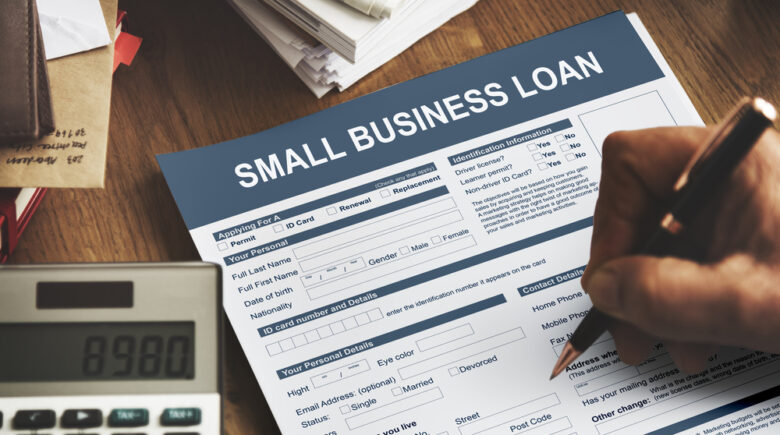
The idea of small business loans can seem uninteresting to many people, as many think they don’t need a loan. Still, the reality is that startups and small businesses generally require financing. According to the Small Business Administration, small business loans are crucial to economic growth and job creation.
Importance Of Small Business Loans
1. It makes creating a business easier since the funds can be used for many purposes: an idea, a business plan, and getting started.
2. Helps in obtaining money from a reliable source instead of financing an endeavor with equity capital, which is money invested by people who are not looking for financial return on their investment; it is riskier than secured loans since it involves the future performance of the enterprise.
3. The loan funds can be repaid over time, usually in installments with interest.
4. It makes it easier for startups to raise money since they can often borrow from other sources, such as banks and venture capital companies, that serve as the financial muscle of firms needing rapidly growing sales and profit.
5. Small business loans serve as a business growth and expansion vehicle. The loans have the option to be repaid with or without interest. If a small business takes advantage of the loan, it can use the money to acquire other companies, create new products and services, and hire more people.
6. Small business loans push businesses to take risks and develop new ideas, education, and experience. Rapid growth can be a result of obtaining funds from small business loans.
7. Small business loans help a company start and grow. The company will be spending the money it borrowed on various things like employees, rent, salaries, and supplies.
8. They support small businesses by making them more financially stable to invest more in their companies and create jobs in the community where they do business.
9. They can help a small business overcome obstacles that may have prevented it from existing or growing as fast as it intended with less financing or equity.
10. Small business loans make it easier for businesses to start. While big companies do not get this kind of assistance, small businesses do. Specifically, the loan funds help with the initial phase of getting started in a business venture before other forms of financing come into play.
11. Once the loan is paid off by the business, it can put those funds to work in other ways, such as purchasing a new piece of equipment or expanding the existing business.
12. It allows a small business to take a financial risk and try something different that may or may not pay off financially; it also will enable entrepreneurs to create and develop ideas.
There are two ways that companies apply for and get small business loans:
1. They can apply at a bank or other lender that offers such loans in their area. These banks sometimes require the applicant for security for the loan; money put up by the business or other people who want to guarantee that they will pay back the loan if it is not paid back.
2. They can be applied through a specialized agency offering small business loans.
What is a small business loan?
What are the advantages of getting a small business loan?
1. Interest rates are often lower than charged on secured loans, which require collateral such as property, vehicles, or security deposit accounts. Borrowers usually pay less interest than they would on equity advances since they are not putting up their own money when taking out small business loans.
2. Small business loans are installment loans, which are paid off in regular installments. Loan repayment schedules vary from six months to two years or longer.
3. Small business loans allow borrowers to get cash and use it immediately since they can obtain the loan without securing property or other collateral in advance. There may be little or no money flowing into a company’s pocket until the loan is paid off so it can quickly get back on its feet if there is a decline in sales, revenue, or profits.
4. Borrowers can take advantage of government programs such as those offered through the SBA, which provides funding such as cheap financing for firms that need help with the initial phase of their business startup and growth.
5. Borrowers can use the funds to create jobs in their community and expand the company’s operations at the same time.
6. Small business loans can be used to help a company that is struggling to get by and needs emergency help, such as when a business has trouble with its cash flow, is having trouble with debt collection, or is being threatened with foreclosure or repossession on its assets.
7. Borrowers who take out small business loans may receive government tax benefits such as deductions for interest paid on their loan through an IRS-qualified small business and individual retirement account (IRA).
8. Small business loans are offered to businesses with good credit scores and vital income records.
9. The repayment terms are flexible in that the borrower can take out small business loans with a repayment period of one year or less. Even if the borrower cannot pay off the loan in the time required, they do not have to worry about repossession of their assets or foreclosure on their collateral.
10. Small business loans do not put a borrower at risk of being turned down for a credit card because they cannot prove their identity or ability to repay the loan, which could happen when applying for secured lending.
11. Loans are usually given in amounts up to $250,000 and with terms up to 10 years, but can be offered on terms of five years or less.
12. They can be used by a borrower in any state as long as the lender’s location is within the same condition in which the business operates.
The purpose of small business loans is to help the small business grow, expand and prosper. Small business loans are financing solutions for any small business. The main reason why a small business would need a loan is that it needs money for expansion and growth. Another reason is that it needs money for any work.
For example, a small business may need some capital to purchase new equipment, make a unique store appearance or update its logo or packaging. Other reasons include increasing employee compensation, opening a second location, buying land, building a new plant and office space, etc. A third reason a company may need access to some cash is to give him more options in controlling operations, including expansion plans.