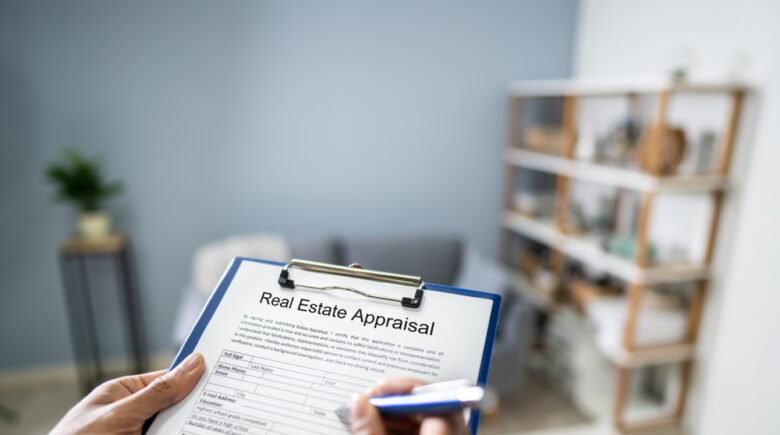
Real estate appraisal is a pivotal process in the property sector. Its core aim is to ascertain the property’s worth during transactions such as buying, selling, or refinancing. By meticulously examining both physical features and financial metrics of residential or commercial properties, appraisers can provide reliable value estimates. In the modern real estate context, appraisals also play an indispensable role for taxation.
Understanding Real Estate Appraisal
Real estate appraisal entails a professional assessment of a property’s market value. It offers an objective basis for various property transactions, including sales, purchases, refinancing, and taxation. Licensed appraisers employ a blend of data analytics, market insights, and valuation methods to determine a property’s fair market value.
Purposes of Appraisals
- Property Value Estimation: Appraisals are essential in determining property values, guiding lenders on the property’s worth, and setting its value for taxation. Appraisers use updated data and professional techniques for accurate value assessment.
- Insurance Valuation: For federally-related transactions such as home loans, refinancing, and other financing, both financial institutions and the federal government mandate appraisals. This ensures the lender’s investment is adequately protected.
- Tax Value Assessment: Tax authorities utilize appraisals to assess the taxable worth of a property, facilitating accurate real estate tax computations for each property owner.
- Loan Facilitation: Lenders depend on appraisals to determine property values, ensuring informed lending decisions based on accurate data.
- Investment Analysis: Appraisers can highlight a property’s strengths and weaknesses, analyzing factors like market trends, population growth, and employment to pinpoint its potential investment value.
Types of Appraisals
- Home Appraisal: This evaluates a home’s market value, considering factors like market trends, comparable property sales, current mortgage rates, and other information pertinent to its valuation.
- Antiques and Collectibles Appraisal: Appraisers can offer a full or limited appraisal for collectibles or antiques, focusing on their current market price, which informs potential selling prices.
- Insurance Valuation: Insurance companies leverage appraisals to determine property values, which informs policy premiums and acceptable replacement costs.
- Business Valuation: This involves determining a business’s worth, and a qualified appraiser would be acquainted with the Uniform Standards of Professional Appraisal Practice (USPAP) and additional state criteria.
Factors Influencing Property Value
- Market Trends: Factors like new constructions, neighborhood sales types, housing market shifts, and other real estate cycles can affect property values.
- Property Location and Size: Geographic location, property dimensions, and local regulations are pivotal in property valuation.
- Property Age: Newly constructed or renovated properties differ in value from older, potentially dilapidated ones.
The Advantages of Appraisals
They offer accurate estimations of properties, including invaluable items like antiques.
Home Appraisal Procedure and Cost
The home appraisal process involves evaluating a property’s worth by analyzing its features, looking for any defects or improvements, and then discussing these findings with the client.
Enhancing Your Home’s Appraisal Value
Property value is crucial in determining taxes, insurance rates, and loan terms. Maintaining your home in pristine condition is key to enhancing its value. After identifying potential value reducers, take corrective actions. Here are a few recommendations to uplift your home’s appraisal value:
Challenges in Appraisal
Appraisers face intricate market dynamics, biases, and varying interpretations of property features. The emergence of automated valuation models (AVMs) has also ignited discussions about their accuracy compared to human-led appraisals.
Real estate appraisal is an ever-evolving domain, adapting to new property categories and shifting economic scenarios. Keeping abreast of these shifts is imperative for a proficient appraiser. As automated valuation models rise, debates about their precision compared to traditional methods persist.
For buyers, investors, or lenders, understanding real estate appraisal concepts is crucial for informed decision-making in this fluctuating market. Delving into the techniques, elements, and challenges of real estate appraisal fosters a deeper understanding of the multifaceted factors influencing property values.