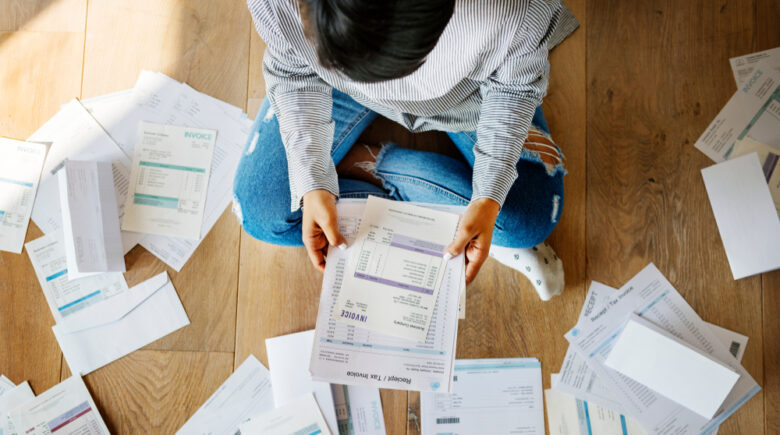
In these difficult economic times, it is easier for consumers to get caught up in the trap of rising debt. High-interest credit card balances, auto loans, and other forms of debt can quickly add up and leave a person feeling like there is no way out.
Most people find themselves in a situation where their monthly payments keep increasing with every new loan. Or perhaps they cannot meet their monthly payments because of an unexpected financial setback. In these situations, it is natural to feel helpless and wonder how you will manage to get out of this mess.
However, getting stuck in a vicious cycle of continually increasing debt can be avoided. Debt management strategies can help you get back on track by reducing the amount you owe while ensuring that future payments remain affordable. Let’s take a look at eight effective strategies for managing debt:
1. Prepare a List of Your Debt
The first step to managing debt is determining exactly how much you owe and how long you want to continue paying it. The best way to do this is by creating a list of your debts and then breaking them down by interest rate.
This will allow you to see what your monthly payments will be, as well as the amount of time that they will take to pay off. This information can help you determine if there are ways that you can reduce the amount that you owe. For example, if your car loan costs you $300 per month, but the interest rate is a low 6 percent, it may be possible for you to refinance this loan at 7 percent and save yourself $100 per month in interest payments.
2. Ask for A Lower Interest Rate
When you are in debt, the best thing to do is to ask for a lower interest rate. This can be done by asking for a lower interest rate on your credit card or loans or lowering your payment amount.
There is no reason why you should pay more money than you have to. Asking for a lower interest rate can help you save thousands of dollars over time. Lowering your monthly payment amount will help reduce the amount of money you owe and can help end the debt cycle.
3. Improve Your Cash Flow
One of the best ways to manage your debt is to improve your cash flow. This can be accomplished in several ways, for example, by increasing your income by working more hours or two jobs. This will help increase your monthly income and, therefore, your disposable income.
Another way to improve your cash flow is to cut back on unnecessary expenses. Try not to spend money on things that you don’t need. For example, if you buy a luxury car, make sure you can afford the monthly payments. Also, consider reducing or eliminating your cable or internet service and switching to free services.
4. Review and Prioritize Your Debts
Reviewing your debts can be a frustrating experience, especially if you are overwhelmed by the amount of debt you have accumulated. But it is important to do this periodically, as paying off your debts can be lengthy.
Once you have reviewed your debts and prioritized the most important ones, it is time to start paying them down. This will help reduce the interest you are paying on your debt each month.
Also, this will help keep your monthly payments affordable so that they don’t become unmanageable in the future. However, do not wait until all of your debts are paid before addressing any shortfalls in your budget that may be affecting cash flow.
5. Rework Your Budget
One of the best ways to lower your debt is to revisit your budget. This can be done by reviewing your expenses and making adjustments as necessary. This can include tightening up loose ends such as paying off old debts, cutting back on unnecessary purchases, or even getting rid of some items altogether. This can be a painful process, but necessary if you are to get your finances back on track.
This can be done by having multiple creditors work together to reduce the overall amount that you owe. It is also important to remember that paying off your debt early can often result in lower interest rates.
6. Consider Debt Consolidation
Consolidating debt into one loan can be an effective strategy for managing your debt. This strategy can help you reduce your interest rates and monthly payments, making it easier to pay off your debt.
Consolidating your debts also helps you manage your debt more effectively by reducing the amount you owe and lowering the risk of defaulting on a loan. Consolidation can be especially helpful if you have bad credit or multiple loans because the total amount you owe is less than if each was paid separately.
7. Negotiate with Creditors
Negotiating with creditors is an effective way to reduce your debt. When negotiating with creditors, it is important to focus on the amount you owe and the interest rate you are paying. Getting into a long negotiation with a creditor can be tempting, but it is important not to make any promises you cannot keep.
Once you have negotiated the best deal possible, you can make a plan to pay off your debts. This will require you to use the available funds that you have available. You can use the majority of your income to pay off your debts. If you can save a portion of your income, this can help you reduce the amount you owe on your debts.
8. Talk to a Professional:
The most important thing to remember is that there is no shame in seeking help. Serious problems can arise if you don’t take the time to talk to someone who can help you.
Financial counselors and debt management experts can help you make important decisions about handling your debts, including the best way to manage your current balances. A professional can also help you create a budget that will allow you to meet all of your financial obligations while still saving money.